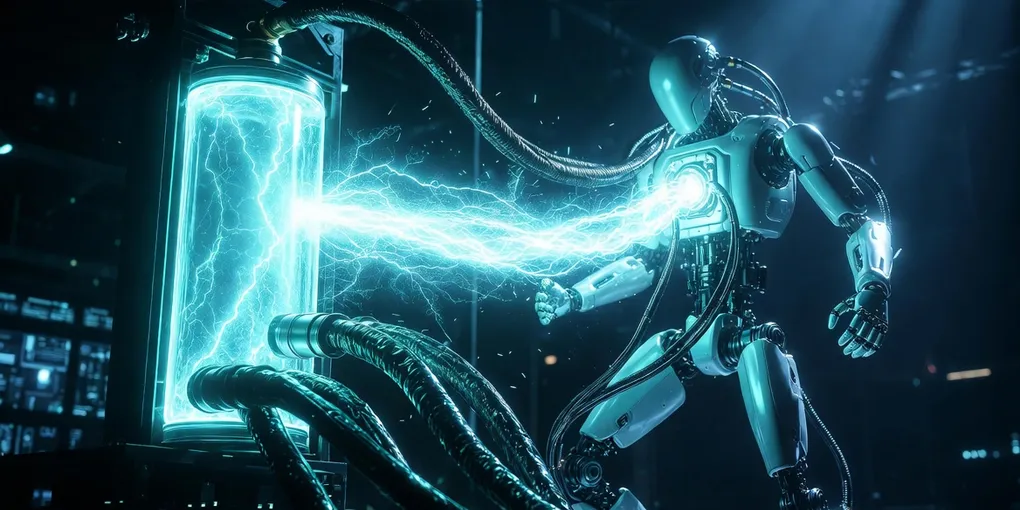
LiFePO4 Deep-Dive: Why Lithium Iron Phosphate is Gaining Popularity in Robotics and Home Labs
Lithium Iron Phosphate (LiFePO4) has become the preferred battery chemistry for many serious builders in recent years.
Why LiFePO4 is Winning in 2026
Key advantages over traditional lithium and lead-acid:
- Extremely safe chemistry with very low risk of thermal runaway
- Significantly longer cycle life (typically 3000–5000+ cycles)
- Excellent thermal stability and wide operating temperature range
- Very flat discharge curve, providing stable voltage under load
- No memory effect and low self-discharge rate
Real-World Advantages in Practice
LiFePO4 shines in applications where safety, longevity and stable performance matter most:
- Mobile robot platforms and quadrupeds
- Drone ground support and long-range FPV systems
- Portable power stations for field testing
- Off-grid homelab and networking racks
- Solar-powered sensor nodes and telemetry systems
Important Practical Tips
- Always use a proper BMS (Battery Management System)
- LiFePO4 cells prefer charging to 3.45–3.65 V per cell (not 4.2 V)
- They perform best when kept between 20–40 °C
- Parallel first, then series when building high-capacity packs
Current Recommended Setup (2026)
For most robotics and homelab projects I recommend:
- 12 V or 24 V LiFePO4 packs with active BMS
- High-quality cells (EVE, CATL, or ReLion)
- Low-temperature protection for outdoor use
- Bluetooth monitoring via apps like Victron or JK-BMS
LiFePO4 has fundamentally changed how we approach power systems in robotics and homelabs. Safer, longer lasting, and more predictable than older battery types.
What battery chemistry are you using in your robots or homelab setups in 2026?
Have you made the switch to LiFePO4 yet?
#Robotics #Hardware #LiFePO4 #Automation #Security #IoT #Homelab #Prototyping